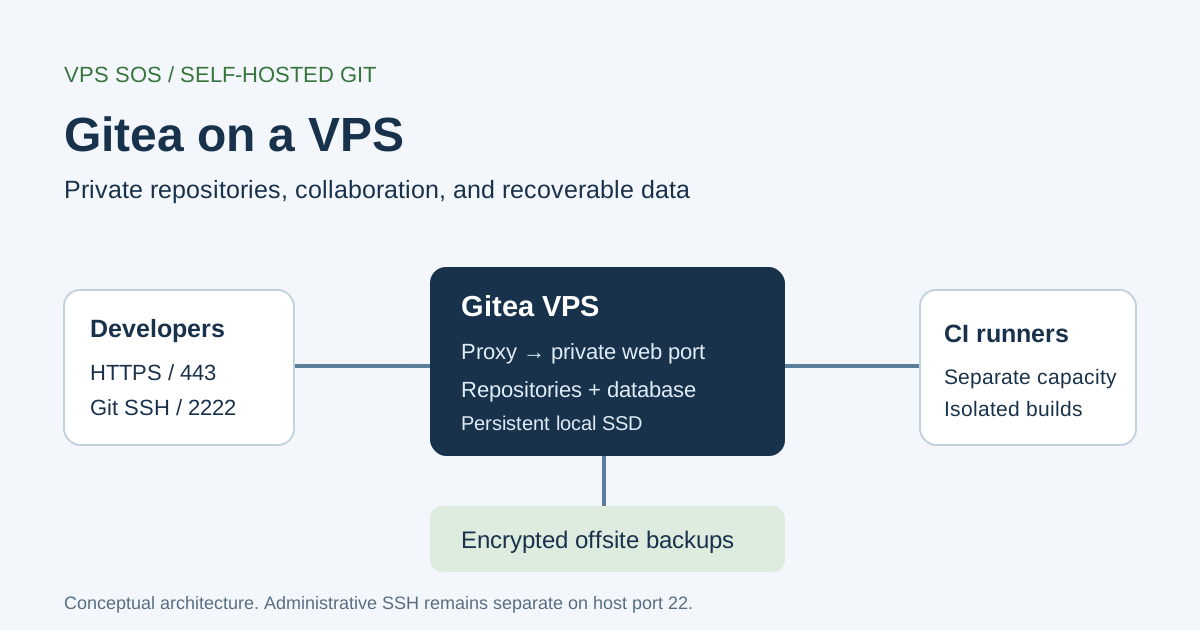
The best VPS for Gitea has enough memory for Git operations, room for repository growth, and a backup you can restore. Gitea is a lightweight Git server for self-hosted repositories, with private source code hosting, pull requests, issue tracking, and team collaboration in a web interface. You control where repository data lives and who can access it.
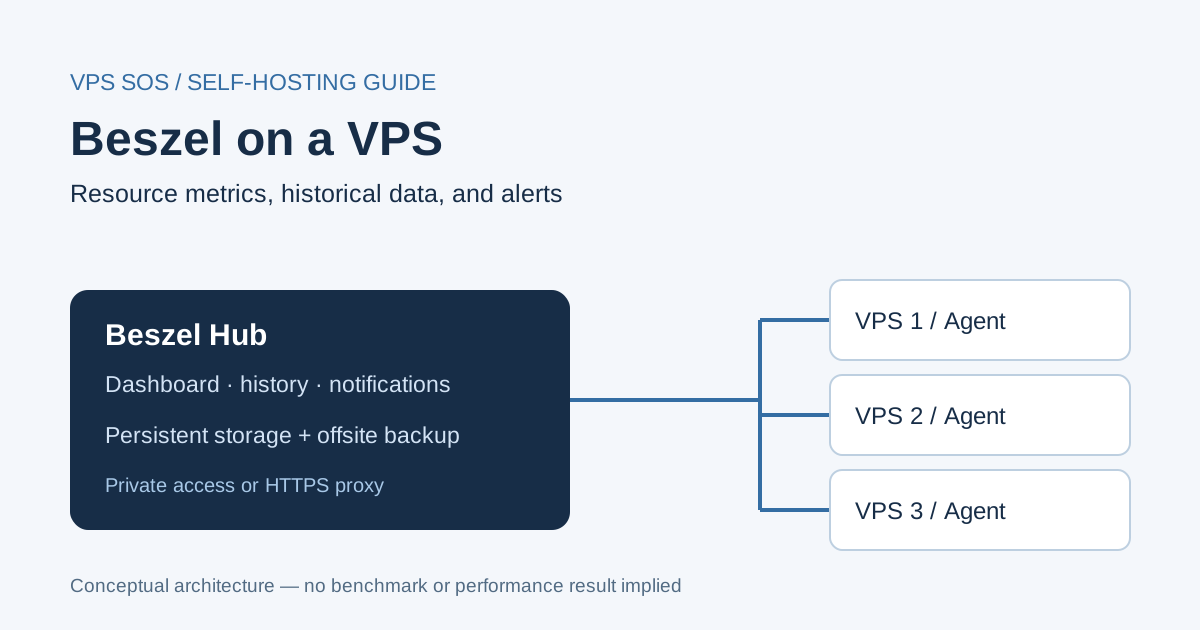
The best VPS for Beszel is usually a modest Linux server with persistent SSD storage, reliable access to your monitored machines, and enough spare memory for the operating system. Beszel is a lightweight server monitoring platform that collects CPU, RAM, disk, and network metrics, tracks Docker containers, and presents historical charts and alerts in a self-hosted monitoring dashboard.
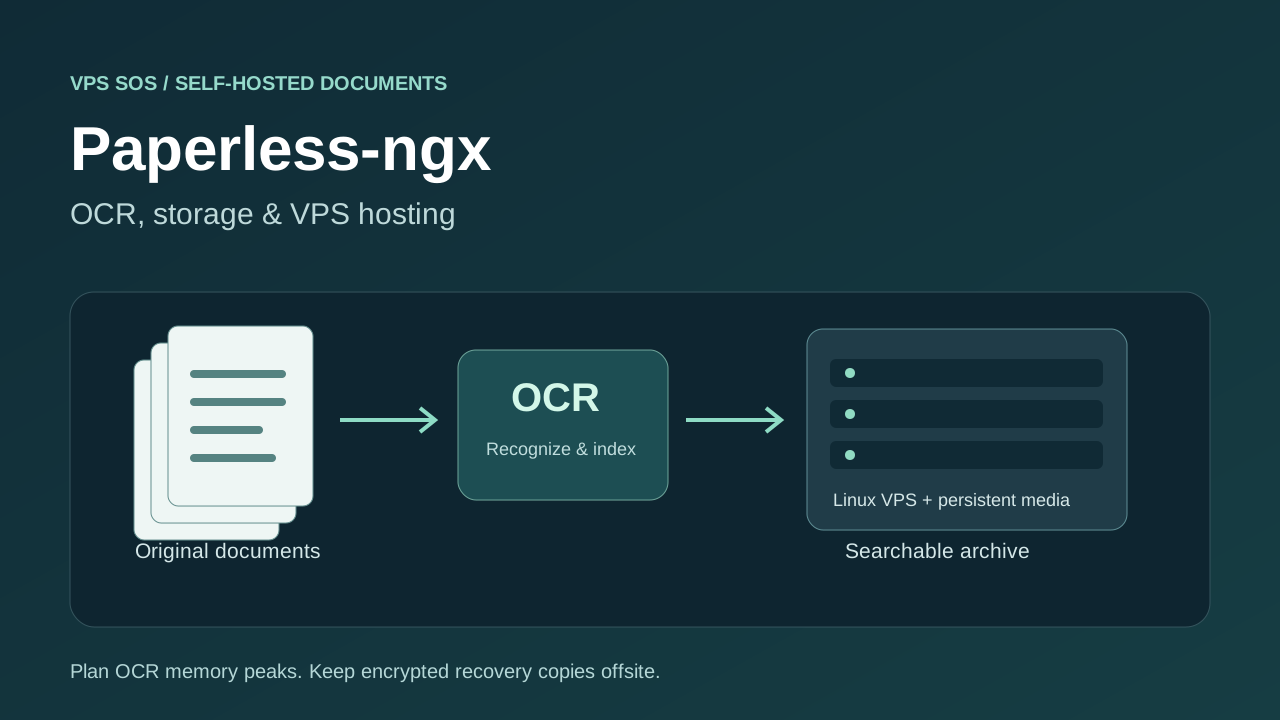
The best VPS for Paperless ngx has enough memory for OCR peaks and enough disk for both your original scans and their processed copies. Paperless-ngx turns documents into a searchable archive with OCR, tags and a browser interface. A VPS keeps that archive available when your home computer is off, while giving you control over its location and access.
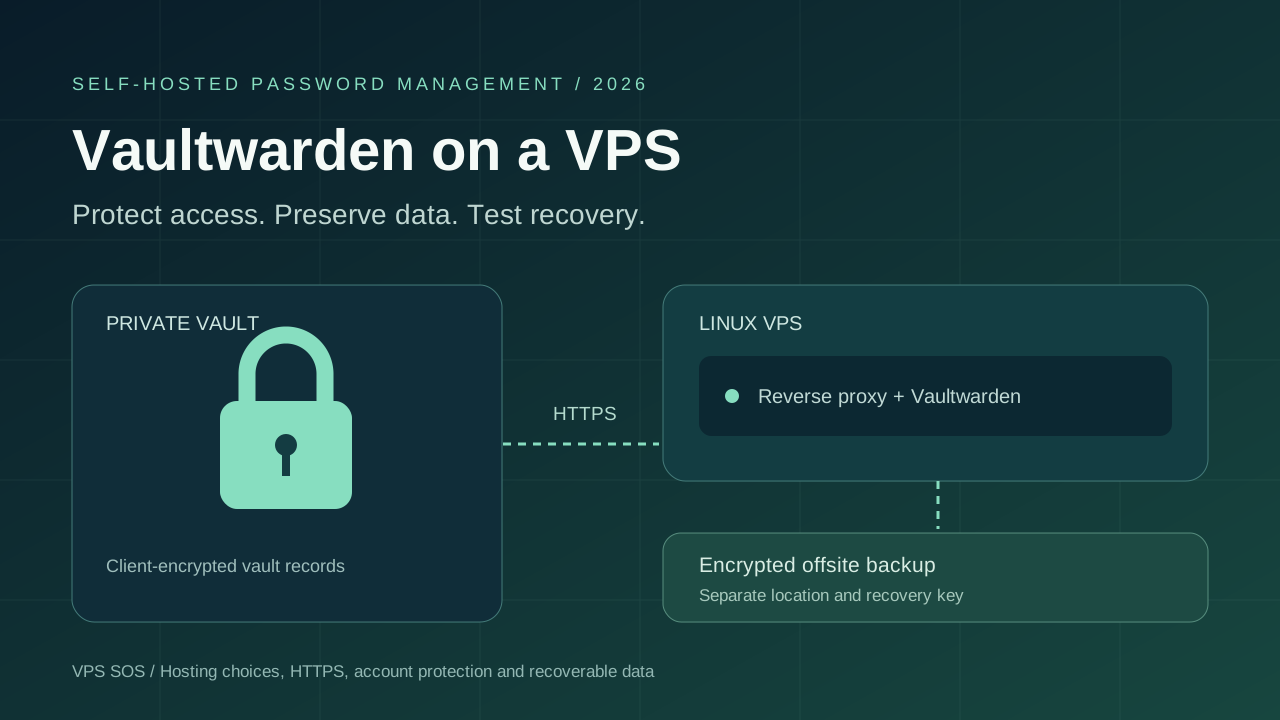
The best VPS for Vaultwarden is a small Linux server you can maintain, protect and restore. Vaultwarden is a community-built server compatible with Bitwarden clients, giving individuals and small groups a way to host their own password vault. A modest VPS can handle a light deployment, but enough RAM is only the starting point: HTTPS, controlled registration and encrypted backups matter more than an oversized plan.
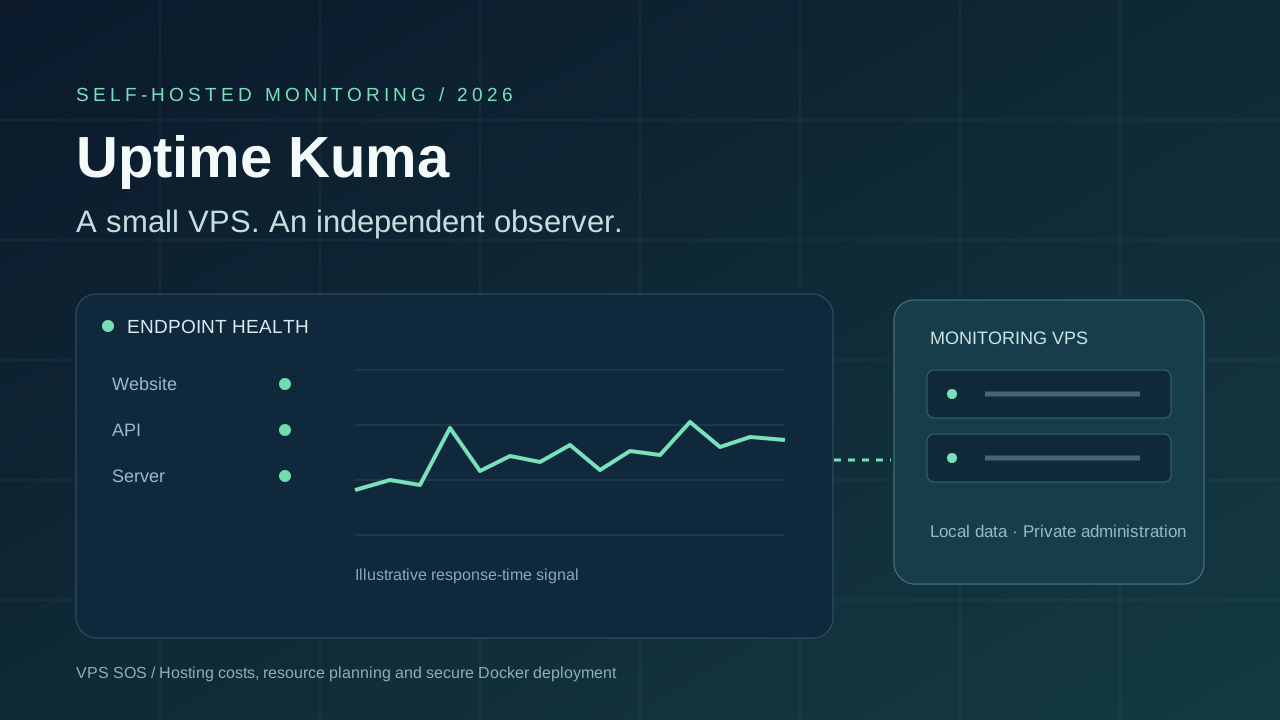
The best VPS for Uptime Kuma is usually a small Linux server with persistent local storage, enough memory for your checks, and infrastructure separate from the services it watches. Uptime Kuma provides a web dashboard for availability checks, notifications, and public status pages. Self-hosting gives you control over that configuration and its history without charging a software subscription for each monitored website.
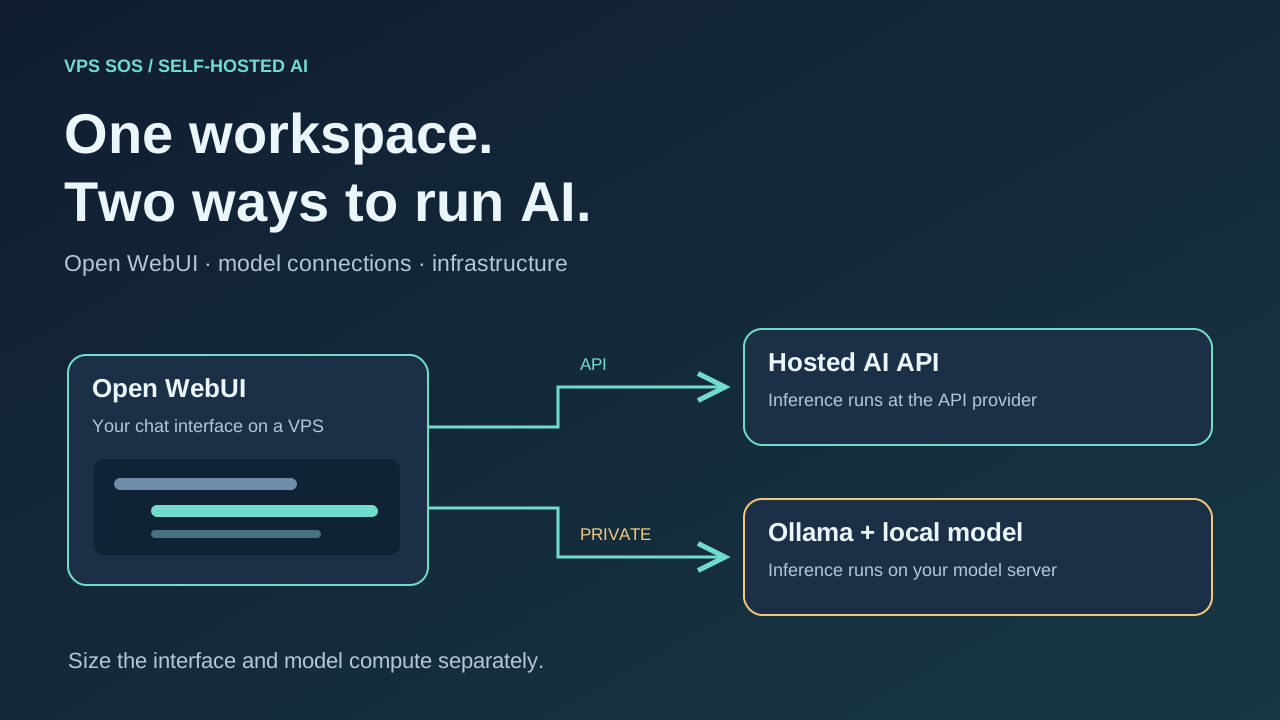
The best VPS for Open WebUI depends on where your AI models run. Open WebUI is a self-hosted AI chat interface that gives you a browser workspace, saved conversations, document tools, and connections to model providers. Hosting it on a VPS lets you reach that workspace across devices and manage access for a small team.
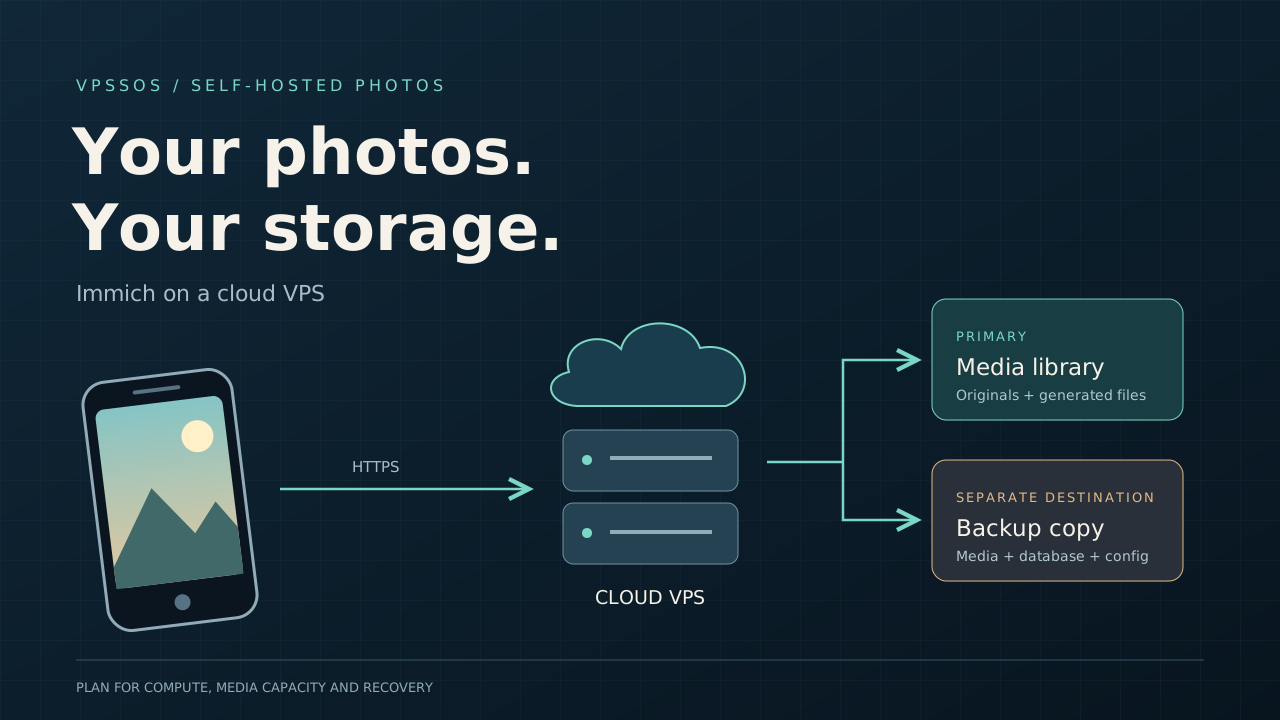
The best VPS for Immich has enough memory for photo processing and enough disk space for the library you actually intend to keep. Immich is a self-hosted photo and video application with phone uploads, a web gallery, and optional machine learning. Its current minimum is 2 CPU cores and 6GB RAM; the recommended baseline is 4 cores and 8GB. A cheap 2GB VPS is therefore the wrong starting point.

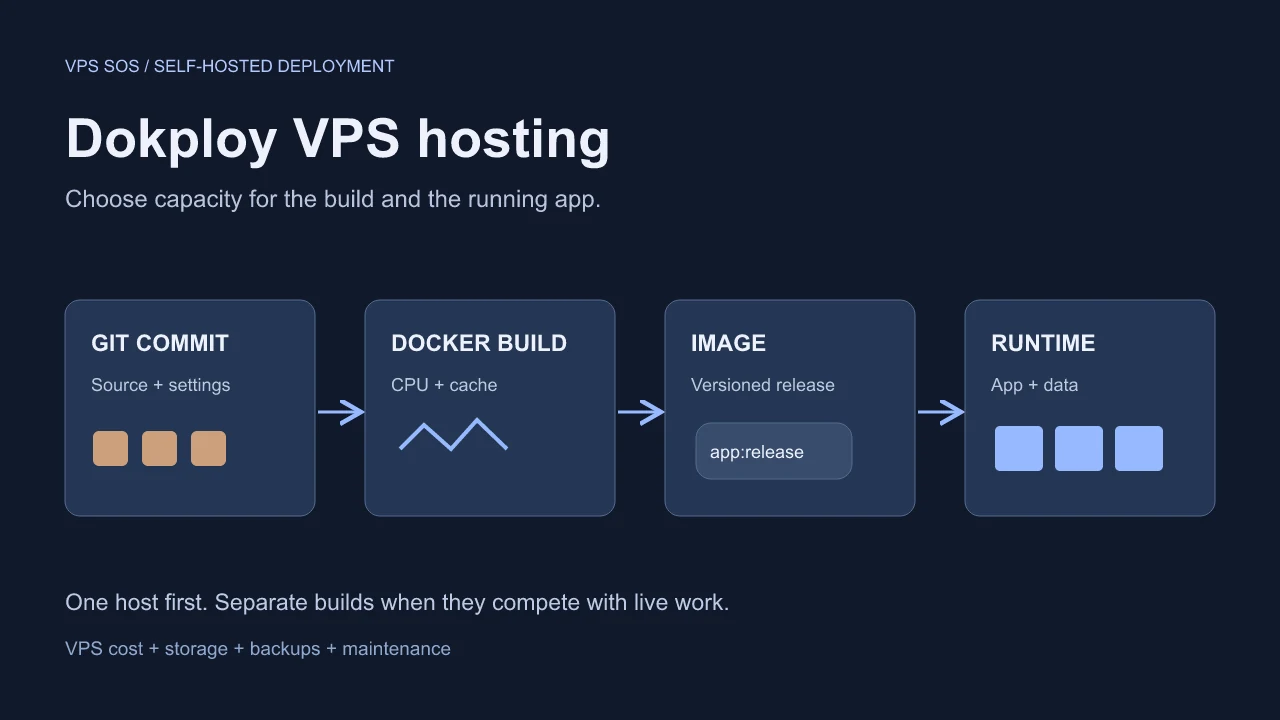
The best VPS for Dokploy is a Linux machine sized for both deployments and the applications that stay running afterward. Dokploy is a self-hosted deployment platform: it connects Git repositories or container images to Docker, databases, and Traefik routing, while giving you a dashboard instead of a collection of manual commands.

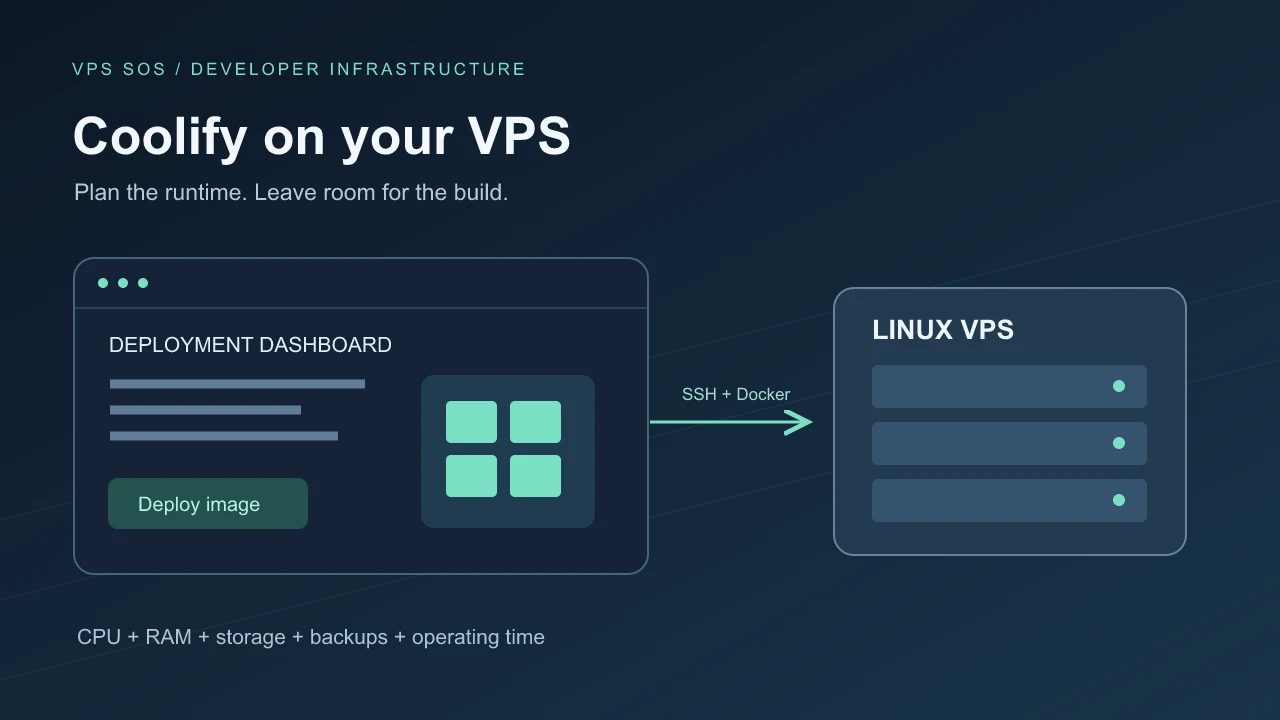
The best VPS for Coolify needs room for the work your applications do, including their builds. Coolify provides a deployment dashboard for Docker applications, databases, Git-based releases, and HTTPS routing. You supply the Linux server, its resources, and ongoing maintenance.
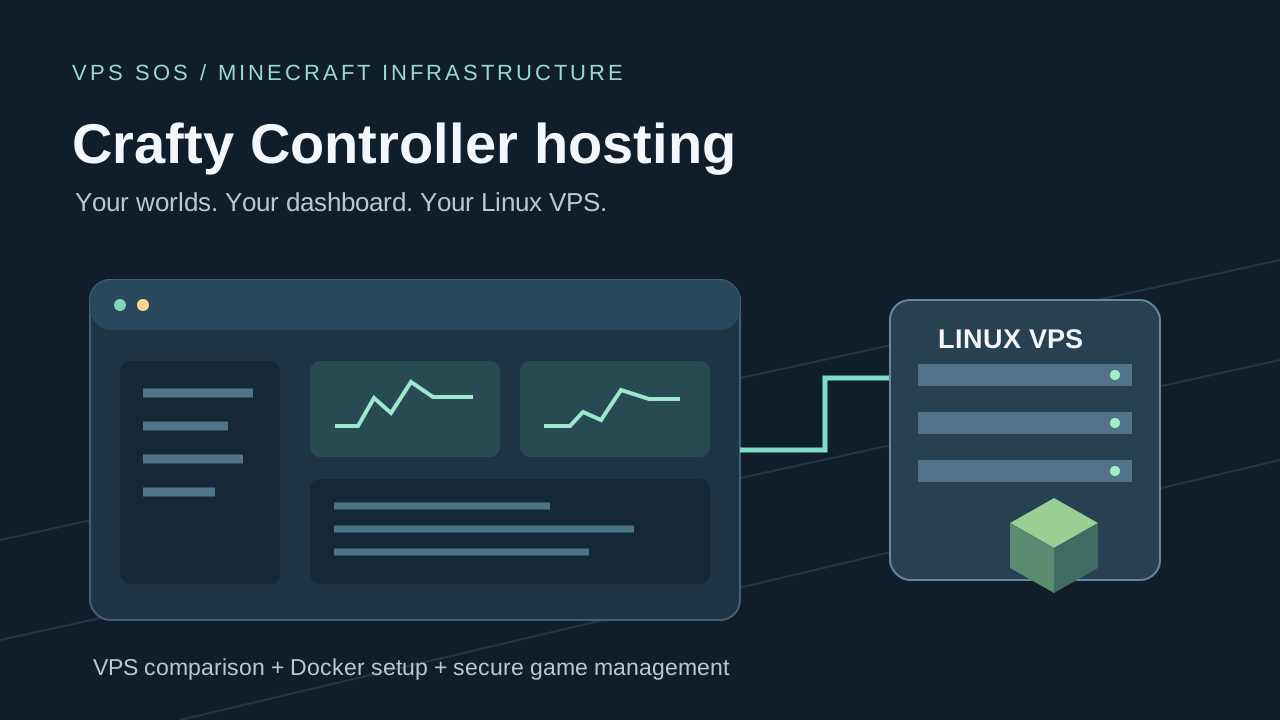
Crafty Controller hosting means renting a server on which you run Crafty, a browser-based Minecraft management panel. It gives you a console, server creation tools, backups, and scheduled tasks. It does not supply the CPU, memory, disk, or network connection that your Minecraft worlds consume.