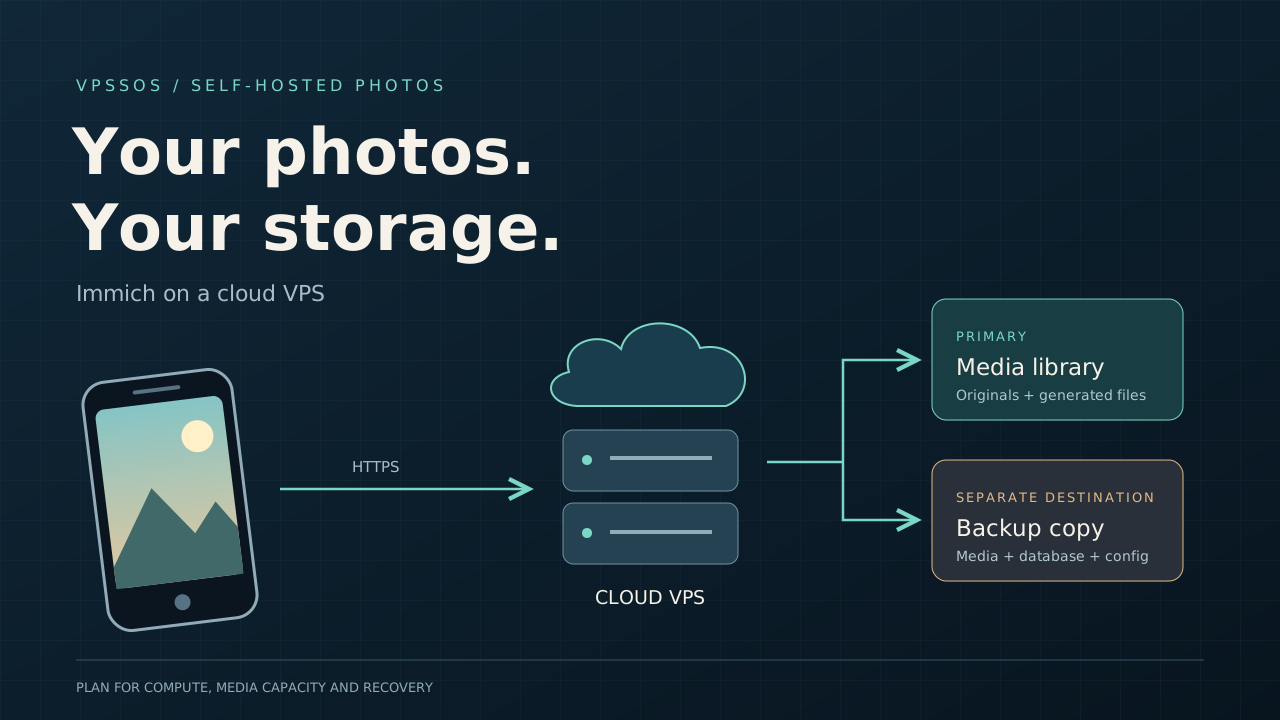
The best VPS for Immich has enough memory for photo processing and enough disk space for the library you actually intend to keep. Immich is a self-hosted photo and video application with phone uploads, a web gallery, and optional machine learning. Its current minimum is 2 CPU cores and 6GB RAM; the recommended baseline is 4 cores and 8GB. A cheap 2GB VPS is therefore the wrong starting point.

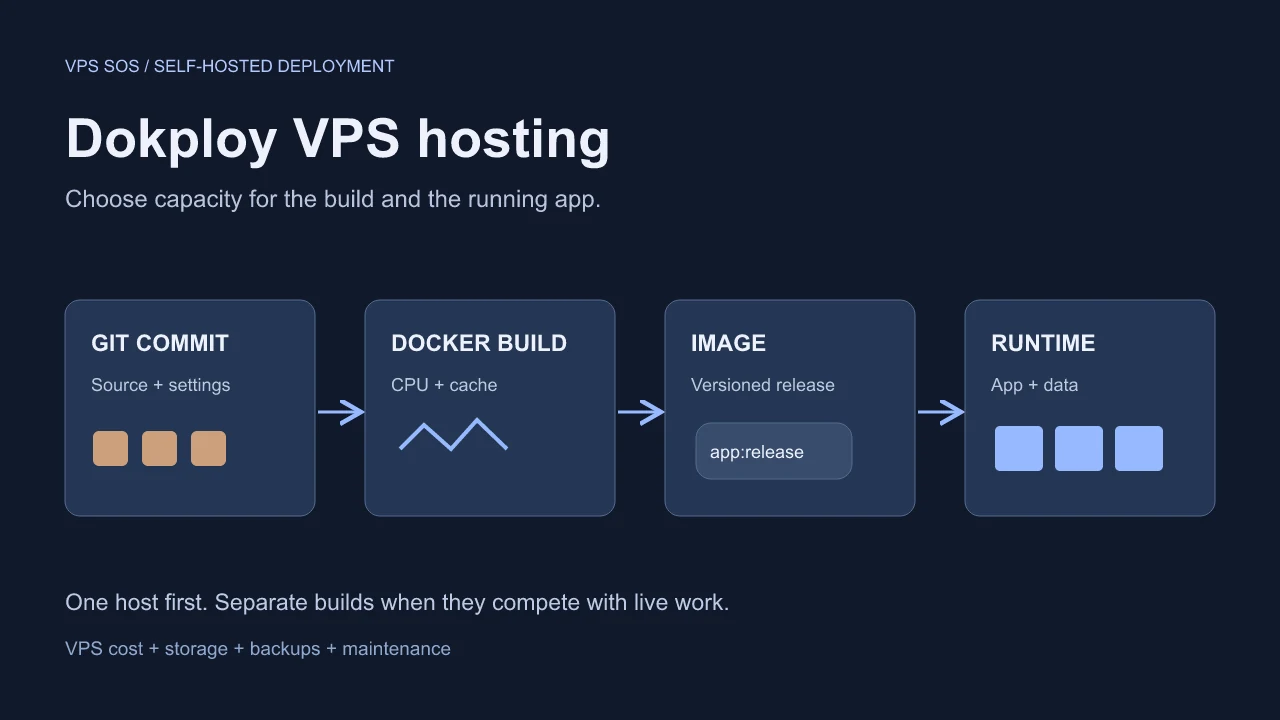
The best VPS for Dokploy is a Linux machine sized for both deployments and the applications that stay running afterward. Dokploy is a self-hosted deployment platform: it connects Git repositories or container images to Docker, databases, and Traefik routing, while giving you a dashboard instead of a collection of manual commands.

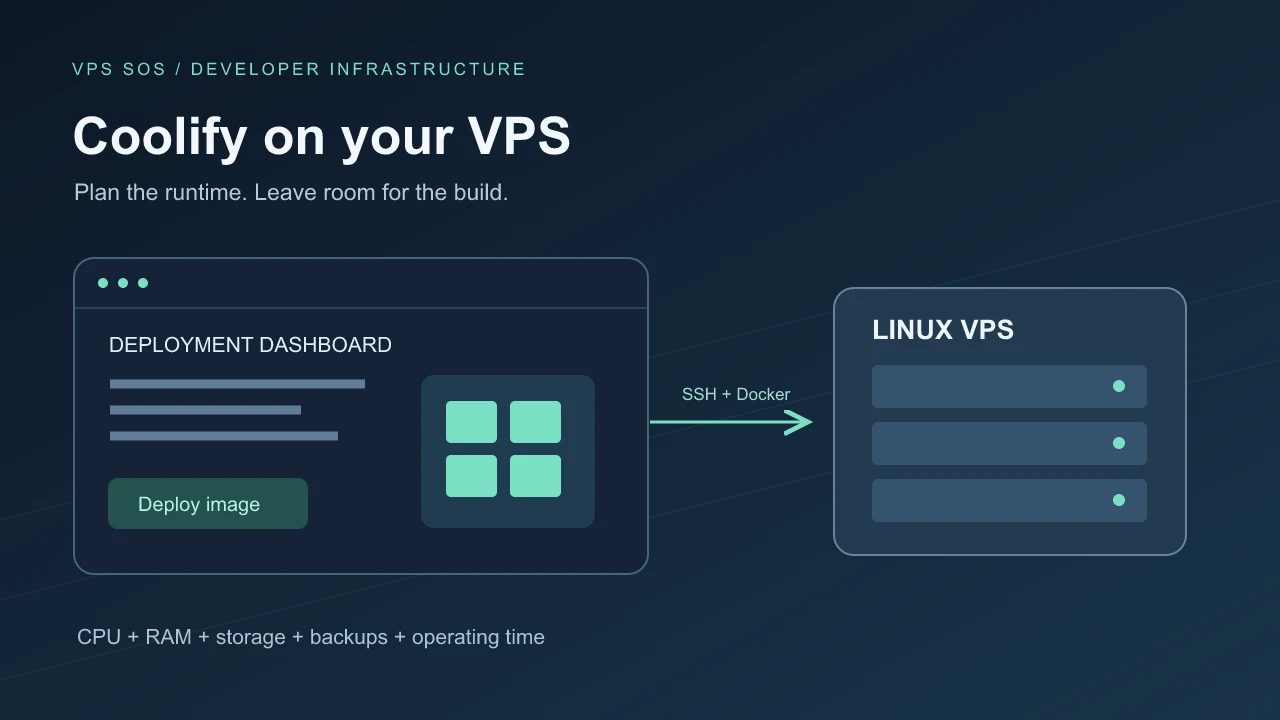
The best VPS for Coolify needs room for the work your applications do, including their builds. Coolify provides a deployment dashboard for Docker applications, databases, Git-based releases, and HTTPS routing. You supply the Linux server, its resources, and ongoing maintenance.
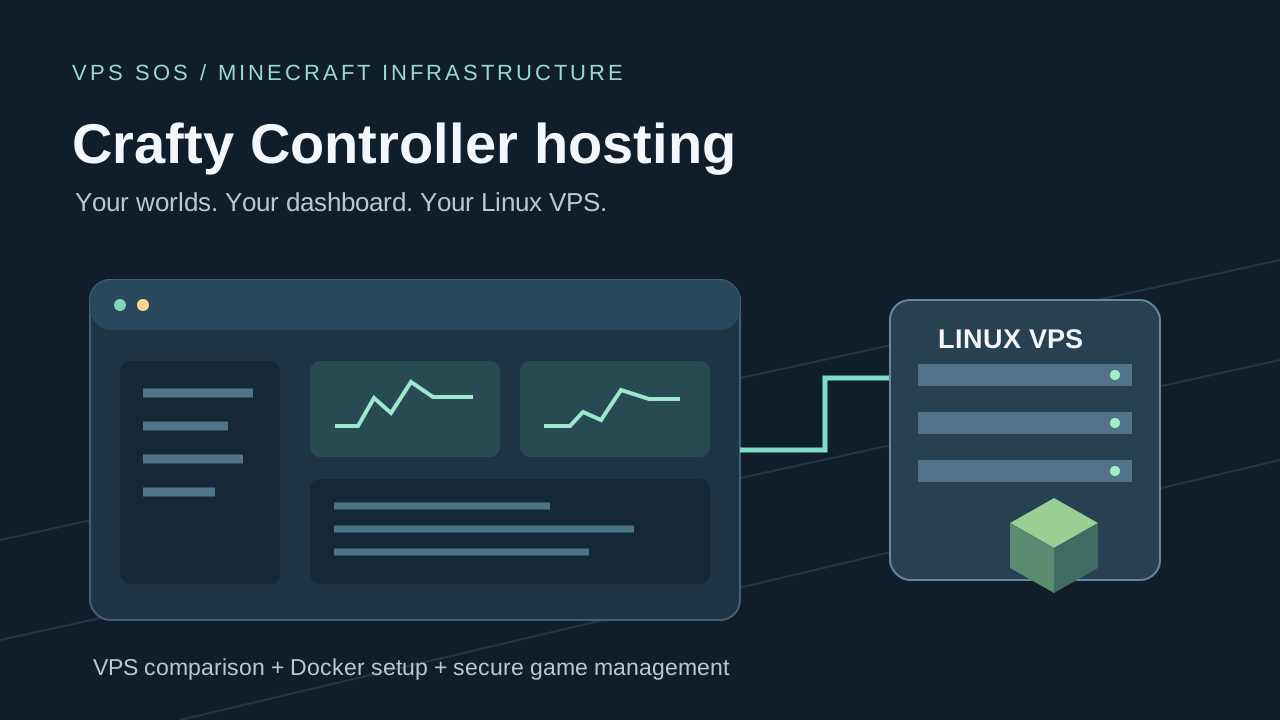
Crafty Controller hosting means renting a server on which you run Crafty, a browser-based Minecraft management panel. It gives you a console, server creation tools, backups, and scheduled tasks. It does not supply the CPU, memory, disk, or network connection that your Minecraft worlds consume.

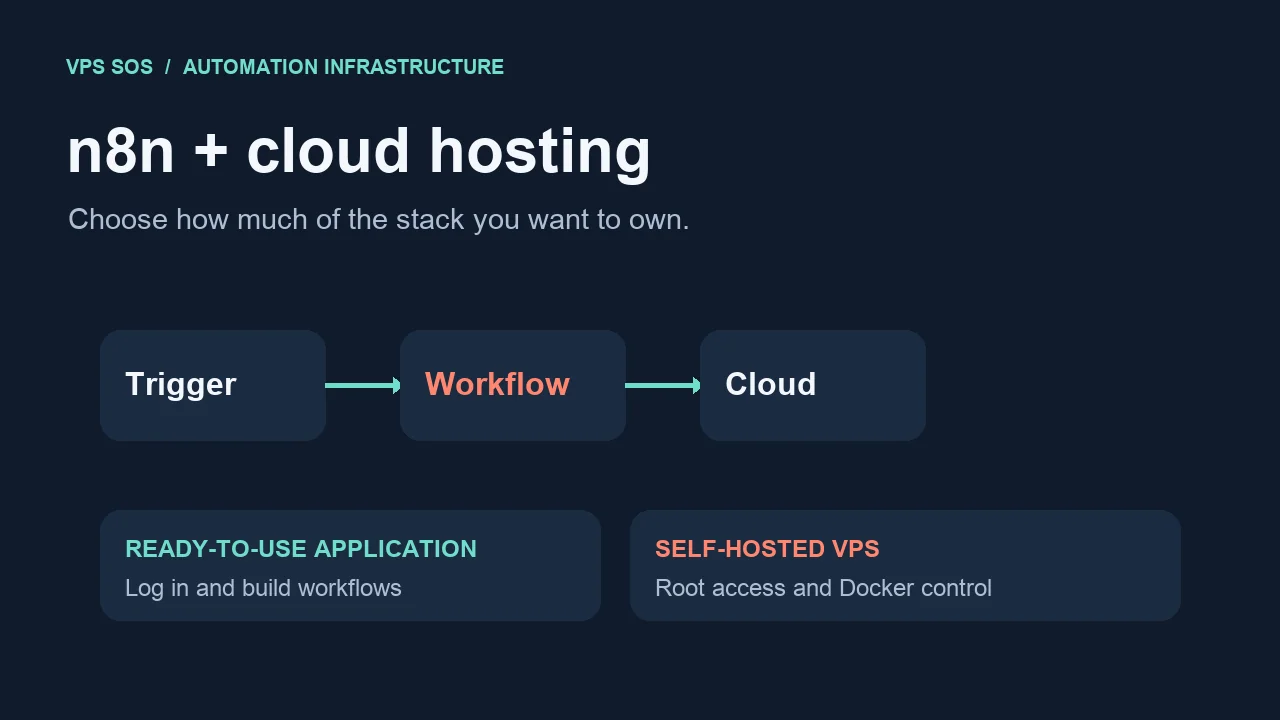
The best VPS for n8n depends on whether you want to build workflows immediately or manage the server yourself. A pre-installed hosted application removes deployment work; a general-purpose VPS gives you root access, Docker control, and responsibility for maintenance.
LightNode offers both: its n8n Application is ready to use, while its n8n VPS supports a custom server environment. Hetzner, DigitalOcean, Vultr, Akamai Cloud, and Contabo are infrastructure alternatives for users comfortable administering Linux. Start with the comparison below, then use the deployment guide that matches your access level.
Choosing Pelican Panel hosting involves more than finding a cheap VPS with enough RAM. The machine needs to run Docker reliably, sustain your game's CPU workload, keep world data safe, and sit close enough to your players to deliver acceptable latency.
LightNode is my first recommendation for administrators who value location choice, flexible billing, and a VPS they can adapt to their own game stack. DreamHost is particularly attractive if you want Pelican preinstalled, while Hostinger, Hetzner, and DigitalOcean offer useful alternatives for different budgets and operating styles.
Hostinger is the easiest choice for a beginner who wants managed WordPress hosting. Namecheap makes the most sense when domains, email, and cPanel belong in one account. LightNode is the better technical choice when you need root access, hourly billing, or a server close to users outside the usual US and European regions.
The best Hermes Agent VPS for most beginners is LightNode if you want a pre-installed, hourly-billed server. Hetzner offers strong raw VPS value for experienced self-hosters, while Hostinger combines a one-click Hermes template with more RAM and a beginner-friendly panel.
Is GoDaddy easy to use? Its account dashboard and preconfigured VPS plans simplify ordering, but a self-managed VPS still requires Linux or Windows administration. Is it worth it? GoDaddy makes sense when you want domains, hosting and optional cPanel/Plesk in one account. Developers who value hourly billing, more regions or cloud APIs should compare alternatives.
Updated: June 25, 2026
VPS pricing looks simple until you try to compare real plans. One provider may sell a 1GB VPS for $5, another may start at 2GB RAM, and another may bundle more transfer, NVMe storage, backups, or a stronger CPU class into a higher monthly price.
This review compares 10 popular VPS plans from 1GB to 8GB RAM and explains what the numbers mean in production. The goal is not only to find the lowest monthly fee. The goal is to pick a VPS that can stay stable under web traffic, database writes, backups, package updates, log rotation, and occasional CPU bursts.